Aluminum Foundry walkthrough shared in a smooth format
Wiki Article
Checking Out the Essential Features and Advantages of Steel Shops
Metal factories serve a crucial function in the manufacturing landscape. They transform resources right into exact metal items for various markets. This procedure includes specialized strategies that guarantee quality and effectiveness. The economic effects are considerable, influencing local areas and task markets. As modern technology develops, so do the techniques within the market. Comprehending these dynamics exposes much about the future of production and its duty in sustainability. What exists in advance for metal shops?The Role of Metal Factories in Manufacturing
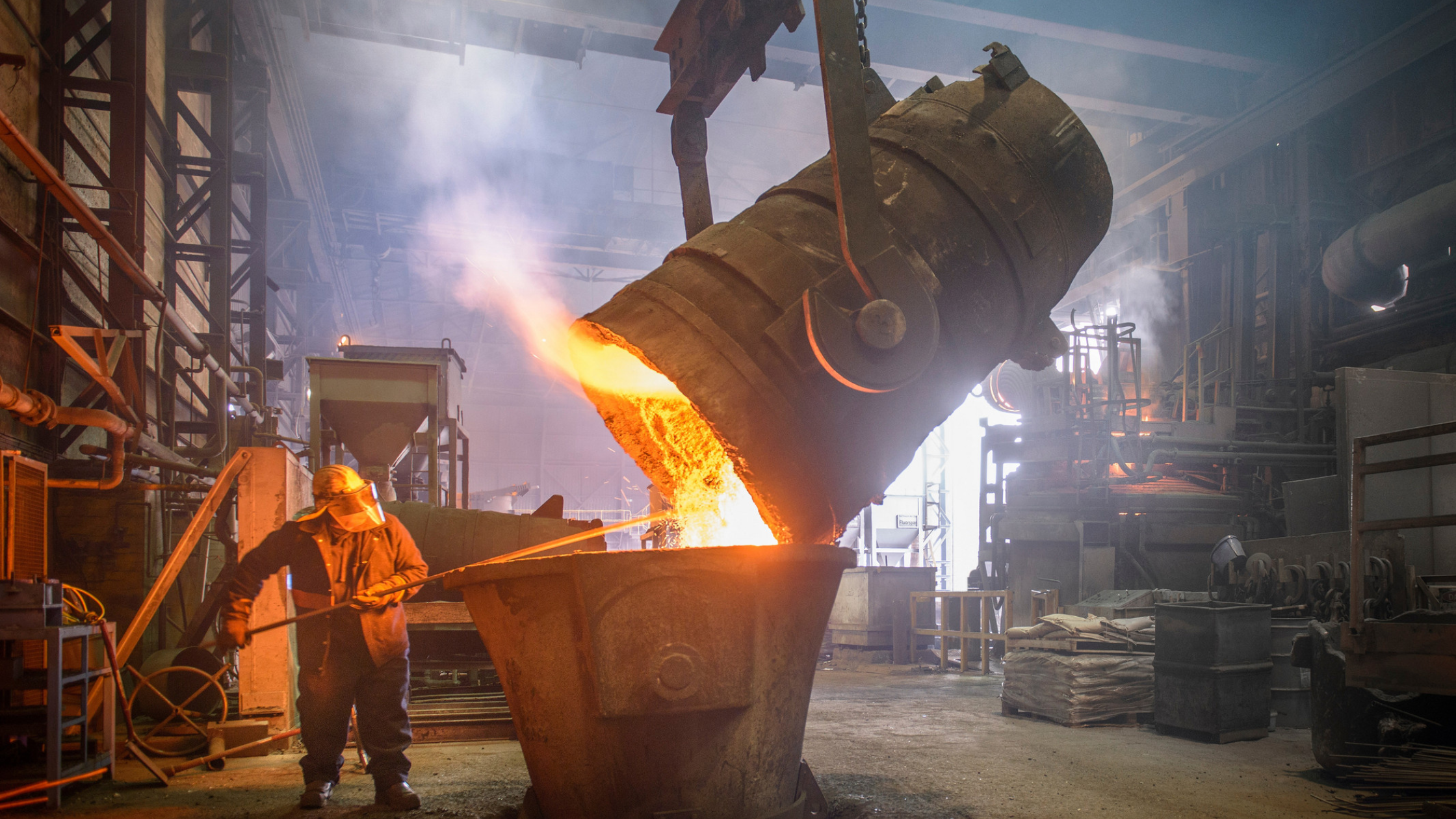
Metal factories play a crucial role in the production field by changing raw products right into usable metal items. These facilities focus on melting and casting steels, utilizing a range of techniques to develop components that offer numerous sectors, consisting of vehicle, aerospace, and building and construction. By transforming raw steel ores, scrap steel, and alloys right into accurate sizes and shapes, factories allow makers to create premium products tailored to certain applications.In addition, steel shops add substantially to the economic climate by fostering and supplying work advancement in metalworking modern technologies. They commonly purchase r & d to enhance effectiveness and sustainability, minimizing waste and power consumption during production procedures. The capability to create complex geometries not just fulfills layout requirements however likewise boosts general item performance. Essentially, metal shops function as a crucial web link in the supply chain, making sure the availability of crucial steel elements for a myriad of applications in modern-day manufacturing.
Crucial Processes Associated With Metal Casting
In the procedure of changing raw products into ended up products, metal spreading encompasses a number of key treatments that protect the manufacturing of premium parts. The procedure starts with the prep work of molten metal, which often entails melting raw materials in a furnace. Once the steel gets to the desired temperature level, it is poured into a mold formed to form the last product.Cooling complies with, where the molten steel solidifies within the mold and mildew, taking on its new shape. After sufficient air conditioning, the mold is eliminated, exposing the cast component. This is frequently adhered to by completing procedures, consisting of machining, to attain exact dimensions and surface high quality. In addition, examinations are conducted to establish that the spreadings satisfy specified tolerances and standards. These essential processes highlight the detailed nature of steel casting, highlighting the crucial function that each action plays in generating long lasting and trustworthy steel items.
Kinds Of Metals Typically Used in Shops
While numerous steels can be used in factories, numerous stand apart due to their unique properties and suitability for certain applications. Iron, particularly in the form of actors iron, is renowned for its stamina, sturdiness, and outstanding spreading qualities, making it perfect for equipment and vehicle parts. Light weight aluminum is preferred for its light-weight nature and resistance to corrosion, typically used in aerospace and transport fields. Copper alloys, such as bronze and brass, are chosen for their phenomenal conductivity and visual charm, typically found in electric components and ornamental things. Steel, specifically carbon steel, is valued for its toughness and adaptability, commonly used in building and construction and manufacturing. Finally, magnesium is appreciated for its low thickness and high strength-to-weight ratio, making it a recommended option in applications requiring lightweight materials. Each of these metals offers distinctive benefits that provide to the varied requirements of different sectors.Quality Control Procedures in Metal Shops
Quality assurance steps in steel foundries are important for ensuring product honesty and compliance with industry standards (Metal Casting). Numerous assessment techniques are employed to examine the buildings of actors steels, while adherence to established requirements and qualifications strengthens quality guarantee. This methodical method not only enhances functional effectiveness however additionally develops consumer rely on the last productsEvaluation Techniques Review
Effective inspection techniques are vital for keeping high criteria in metal factories, as they guarantee that each item meets defined tolerances and performance requirements. Numerous methods are utilized to assess the high quality of castings, consisting of aesthetic inspections, dimensional checks, and non-destructive screening (NDT) Aesthetic evaluations permit drivers to determine surface area problems such as incorporations or fractures, while dimensional checks verify that parts adapt develop specs. NDT methods, such as ultrasonic and radiographic testing, offer deeper understandings into interior flaws without damaging the item. Additionally, automated evaluation systems are increasingly used to boost accuracy and effectiveness. With each other, these evaluation strategies play a considerable role in securing product integrity and client contentment within the competitive landscape of steel foundries.Standards and Certifications
In the domain of metal foundries, adherence to established certifications and requirements acts as a cornerstone for quality assurance actions. These criteria, such as ISO 9001 and ASTM, provide structures that guarantee regular item high quality and integrity. Qualification processes involve strenuous evaluations, including audits and assessments, validating that shops satisfy particular performance criteria. Conformity with these standards not only boosts item integrity yet additionally fosters consumer trust and contentment. Additionally, certification can open up new markets, as numerous sectors need conformity for procurement. By executing these quality assurance procedures, steel foundries can reduce problems, maximize manufacturing continue reading this procedures, and preserve an one-upmanship in the industry. Generally, standards and qualifications play a crucial role in guaranteeing the success and sustainability of metal factories.Advancements and Technologies in Shop Operations
As the need for precision and effectiveness in steel casting continues to expand, foundries are significantly adopting advancements and technologies that improve their procedures. Automation plays a pivotal function, with robot systems enhancing procedures such as mold and mildew handling and spreading. This not just decreases labor costs however also minimizes human mistake, leading to boosted item quality.In addition, advancements in computer-aided design (CAD) and simulation software program allow foundries to enhance styles prior to manufacturing, permitting for faster turnaround times. Including 3D printing technology for developing cores and molds further increases production and permits intricate geometries that traditional techniques can not attain.
Furthermore, the integration of information analytics and the Internet of Points (IoT) supplies real-time tracking of equipment and procedures, boosting predictive upkeep and operational efficiency. These innovations collectively contribute to a much more receptive, active, and affordable factory atmosphere, positioning them well to fulfill evolving market demands.
Economic Effect of Steel Factories on Regional Areas
The improvements in modern technology within metal foundries not only improve manufacturing abilities but also significantly affect local economic climates. Metal foundries act as a considerable resource of employment, offering work for knowledgeable workers and adding to the economic security of their areas (Metal Casting). These facilities frequently stimulate neighborhood organizations, as they call for a variety of products and services, from resources to transport and logistics. The existence of a steel factory can likewise bring in related markets, cultivating a network of suppliers and sustaining companies that prosper in distance to manufacturing centersIn addition, shops contribute to the tax base, generating income for local federal governments that can be used for civil services and infrastructure enhancements. The financial surge result includes community development, as factories typically take part in neighborhood campaigns and support workforce training programs. On the whole, metal shops play a critical duty in strengthening the economic landscape of their areas, ensuring growth and sustainability.
Sustainability Practices in the Steel Shop Industry
The steel shop industry is progressively adopting sustainability practices to minimize its environmental footprint. Secret approaches include recycling steel scrap, applying energy efficiency steps, and making use of environmentally friendly casting procedures. These initiatives not just add to source conservation however also boost the sector's overall sustainability account.Recycling Metal Scrap
Reusing steel scrap stands as a cornerstone of sustainability techniques within the steel foundry sector. This procedure not just preserves all-natural sources yet also greatly reduces landfill waste. By recovering scrap steel, shops can reduce the requirement for virgin products, decreasing ecological influence and power usage related to mining and extraction. The recycling of metal scrap promotes go to this web-site a circular economy, where products are recycled and repurposed, developing an extra lasting production cycle. Foundries typically execute advanced sorting and processing technologies to boost reusing effectiveness, making sure top quality output. As the industry significantly focuses on environment-friendly methods, the recycling of steel scrap stays a necessary element, promoting both economic practicality and ecological stewardship for future generations.Energy Effectiveness Steps
Sustainability in the metal foundry market expands past reusing methods to include energy efficiency steps. Factories are progressively taking on modern technologies that lower energy usage throughout metal manufacturing and casting. Applying innovative melting strategies, such as induction melting, enables more precise temperature level control and reduced power waste. Additionally, maximizing heater procedures through warm recovery systems catches and recycles excess warm, notably reducing total power needs. The integration of energy-efficient lights and automation likewise enhances operational effectiveness. By spending in these energy performance measures, factories not just minimize their carbon footprint yet also recognize expense savings, adding to a more financially viable and sustainable market. Taking on such methods is necessary for satisfying governing criteria and resolving expanding environmental worries.Eco-Friendly Casting Processes
While standard spreading approaches have actually served the metal shop industry for years, environment-friendly casting processes are now gaining prestige as a necessary element of lasting manufacturing. These innovative methods focus explanation on the reduction of waste, power intake, and dangerous exhausts. Many shops are taking on recyclable products and water-based finishes, decreasing environmental effect. In addition, improvements in 3D printing innovation assist in a lot more effective designs, reducing the demand for considerable product use. Closed-loop systems are additionally being applied, enabling for the recycling of steels and other byproducts. By embracing these green practices, metal shops not only improve their operational efficiency but additionally add to the worldwide effort towards sustainability, lining up with increasing customer demand for eco responsible items.Often Asked Questions
What Precaution Are Implemented in Metal Factories?
Precaution in metal foundries include personal safety devices, proper ventilation systems, regular safety training, danger interaction, emergency situation feedback procedures, and routine equipment maintenance to minimize threats linked with heats and hazardous materials.Exactly How Do Foundries Manage Hazardous Products?

What Prevail Job Opportunities in Metal Foundries?
Common profession chances in metal factories consist of functions such as factory professional, melting operator, quality control inspector, upkeep designer, and manufacturing supervisor, each contributing to the efficient operation and output of steel casting procedures.
Just How Do Shops Manage Waste and Recycling?
Shops handle waste and recycling via organized procedures, including the collection of scrap steel, reusing products, and implementing eco-friendly methods (Aluminum Foundry). These techniques aid lessen environmental influence while promoting resource efficiency within the sectorWhat Are the Environmental Rules for Metal Foundries?
Steel shops play an important role in the production sector by changing raw materials right into usable steel items. Quality control measures in steel foundries are essential for making sure item honesty and compliance with sector criteria. By applying these quality control measures, steel foundries can reduce defects, maximize manufacturing processes, and preserve an affordable edge in the market. Recycling steel scrap stands as a keystone of sustainability methods within the metal factory industry. While traditional casting methods have offered the metal factory market for years, environment-friendly casting processes are currently gaining importance as a vital element of lasting manufacturing.
Report this wiki page